
5 Keys to Finding a Profitable Rental Property

Rob Brooks
Rob is a property manager with Rob Brooks Realty property management.
Finding a rental property is easy; finding a profitable one is an art and science. When scouting for investment opportunities, many rookie investors get distracted by “the bones” of a house or the aesthetic of a kitchen. However, professional property management requires a shift in perspective. You are buying a future stream of income, not just a building.
To maximize ROI and minimize headaches, here are the top five factors to look for in a profitable rental property, ranked by importance.
1. Price Range
The #1 most common mistake is buying a rental property that is too expensive. If you buy an $800,000 home, your pool of potential tenants shrinks significantly. People who can afford $4,000+ in rent are usually in a position to buy their own home.
- Target Demographic: You are trying to appeal to the responsible blue-collar worker. Somewhere, they would be happy to raise their family. This is a benchmark we use.
- Purchase Price: In the Pensacola market, properties in the $250,000 range often yield the highest demand.
- A Warning: Avoid the “bottom of the barrel.” The lowest price ranges often attract tenants who may struggle with financial responsibility, leading to inconsistent rent and poor property upkeep.
2. Strategic Location
The common concern with location is having a “nice neighborhood”, but you really should also think about proximity to work centers. We call this the 10-Minute Rule. In the Pensacola market, this means being near hubs like Navy Federal, the downtown business district, or the hospitals near Cordova.
Your target renter wants a commute of 10 minutes or less.

PRO TIP: Use the Night Walk Test. Pull up to the property at night, get out, and walk the block. If you don’t feel safe, your tenants won’t either. You can also verify your gut feeling by searching “[County] + [City] + Crime Map.”

3. Opt for High Durability, Low Maintenance
Every dollar you spend on a repair is a dollar taken directly out of your profit. When viewing a home, look at it through the lens of long-term survival.
A couple of considerations:
- Siding: Avoid wood siding (due to termite and rot risk). Opt for Hardie Board, brick, or vinyl.
- Flooring: Choose high-durability options like LVP (Luxury Vinyl Plank) over carpet, which requires frequent replacement.
- Landscaping: Keep yards simple and low-maintenance to ensure they don’t become an eyesore or a massive expense.
4. Insurability & Flood Risk
In Florida, insurance can make or break your Cash-on-Cash return. A property that is difficult or expensive to insure will eat your cash flow alive.
Roof & Structure
Brick homes with hip roofs often receive better insurance rates.

Flood Zones
Always aim for Flood Zone X. This indicates a low risk of flooding and usually means flood insurance is not required, saving you thousands annually. You can check flood zones using the official FEMA website.

5. Neighborhood “Upswing”
“Upswing” is a term we use a lot at Rob Brooks Realty Property Management, which really just means “is there momentum in this area?” We look for signs of revitalization. New properties being built, business investment nearby, etc. Look for neighbors remodeling their homes or young families moving in. This suggests the area is appreciating, allowing you to buy in at a lower price point while benefiting from rising rents and property values.
Cash-on-Cash Return
While many talk about Cap Rate, Cash-on-Cash (CoC) Return is actually a more important metric for investors using financing or leverage. It measures the annual return you made on the actual cash you invested.
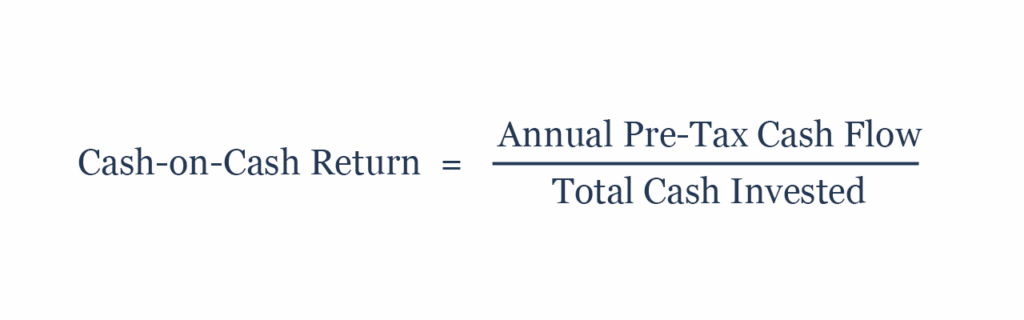
Here’s an example:
If you buy a house and your total out-of-pocket cost (down payment + closing costs) is $50,000, and after all expenses (mortgage, taxes, insurance, repairs), you pocket $5,000 in profit for the year.
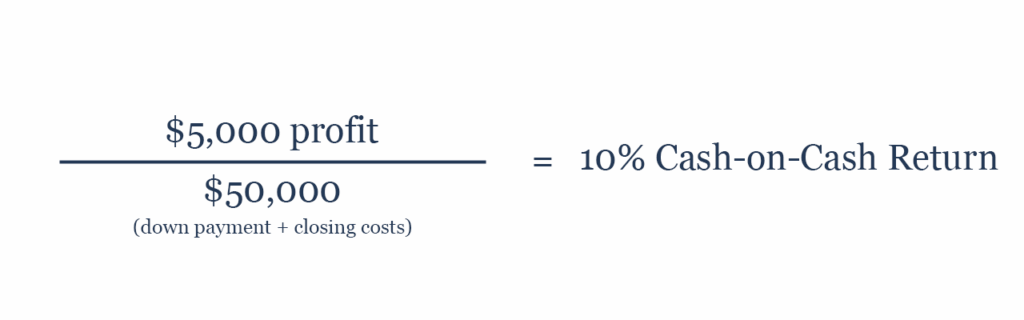
In the Pensacola market, a “good” target for a stable, low-maintenance property is typically between 8% and 12%.
Landmines to Avoid
There are two very common landmines to avoid as a new investor.
- Condo Fees: High HOA or Condo fees pay for amenities (like pools and gyms) that your tenant might enjoy, but they can completely destroy your ROI.
- Overestimating DIY Capacity: Rookie investors often think they will save money by remodeling a house themselves. They fail to calculate the Opportunity Cost. If a professional crew can finish a renovation in 2 months, but it takes you 8 months of weekends, you have lost 6 months of rental income. Often, your time is better spent at your actual job or finding the next deal.
Final Thoughts
Do not rely on luck or warm, fuzzy feelings for real estate investing. You must be objective and willing to say “no” to opportunities that fall outside of your parameters. We’ve seen many rookie investors screw up a deal because they thought things would “just work out” rather than having a plan before even looking at property.
Want a second pair of eyes on a rental property deal? We offer free rental property analysis that you can sign up for using the form. Reach out today!
How to Evaluate a Property Management Company [Full Vetting Process]
Start a conversation with our team
Let us help you think through the best strategy for your property. Get in contact with our property management team today.